Scot Williams
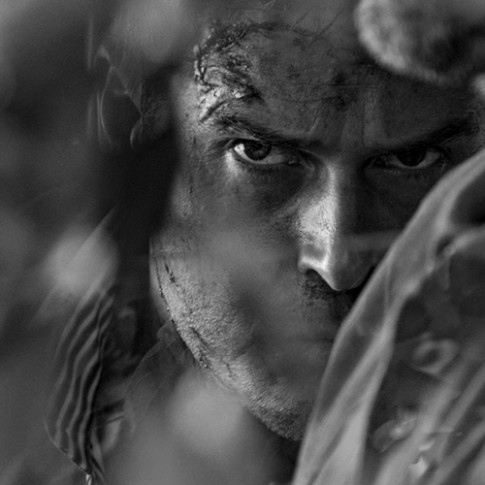
Scot Williams plays Michael, the kidnapped Buckingham Palace guard added as the four-man crew's reluctant fourth body in Redirected (2014). Williams's career has run through British television, theatre, and feature film since the 1990s, often in roles that require him to be the steadiest person in a chaotic scene. The Michael performance, the only crew member who didn't choose to be part of the heist, pulls on exactly that strength.
Background
Born in Liverpool in 1972, Williams trained at the Liverpool Institute for Performing Arts and built a working television career through productions including Liverpool 1 and a string of supporting roles in BBC and ITV drama. The Liverpool theatrical tradition, strongly grounded in working-class realism, has informed the way he plays even genre material: characters are usually a beat slower than the action around them, and the camera is invited to wait with them.
Feature work before Redirected
By the time Vėlyvis cast him as Michael, Williams had already accumulated a feature filmography that included Backbeat (1994, as Stuart Sutcliffe), The 51st State, Bring Me the Head of Mavis Davis, and a series of independent British productions. Most of those roles had the same structural function: he is the character the audience can read quickly and trust.
The Michael performance, the kidnapped 4th man
Michael is structurally unusual for the heist genre. He is not part of the crew that planned the robbery, John, Tim and Ben are professionals; Michael is a Buckingham Palace guard whose only qualification is that his build matches what the heist requires. The crew kidnaps him because they need a body of his exact size, keeps him largely uninformed about the wider plot, and then is forced to deal with him as a person rather than as an accomplice once the situation in Lithuania starts to escalate.
Williams plays this status with a specific kind of restraint. Michael cannot react to the heist as a heister would, he wasn't planning anything. He cannot react as a hostage would, because the dynamic between him and the other three is friendlier than that. He spends most of the film figuring out where he stands moment to moment, and Williams's screen presence sells the figuring-out without exposition.
The third act gives Michael the most weight of any of the British leads. Without spoiling the ending, the closing sequence is built around him: the hole, the paramedics, the corrupt officer's house, and the final ambiguity all happen to Michael specifically. Williams carries those sequences with the kind of measured presence the Liverpool theatrical tradition rewards.
After Redirected
Williams has continued in British television and the occasional feature, including stage work that the festival circuit picked up. His post-Redirected career has stayed in the same lane: a dependable supporting player whose presence stabilises whatever scene he's in. That's the work the script asked from him in Vilnius, and it's the work the rest of the filmography has continued to ask.